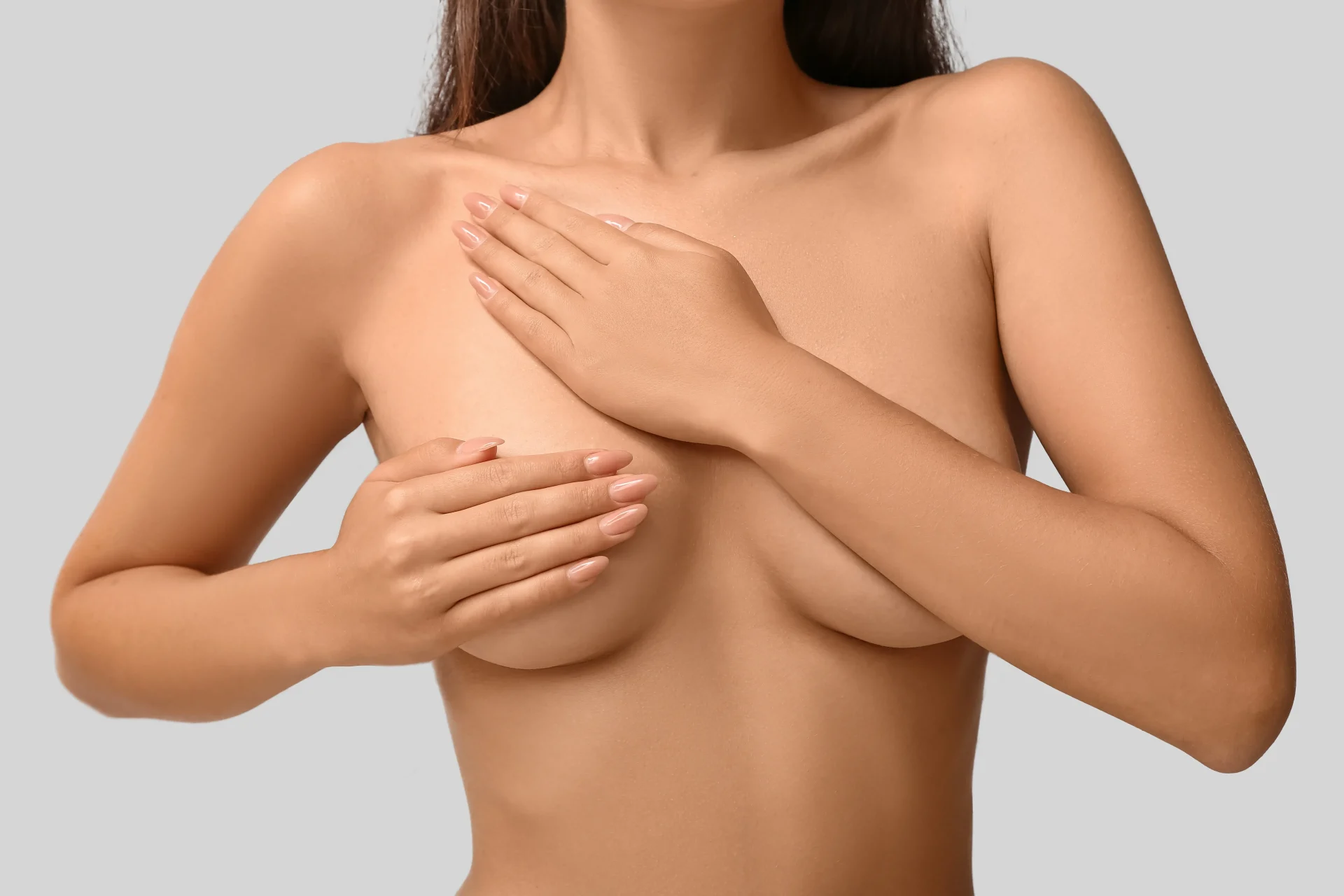


Breast Health Today: Modern, Safe, and Personalized Options
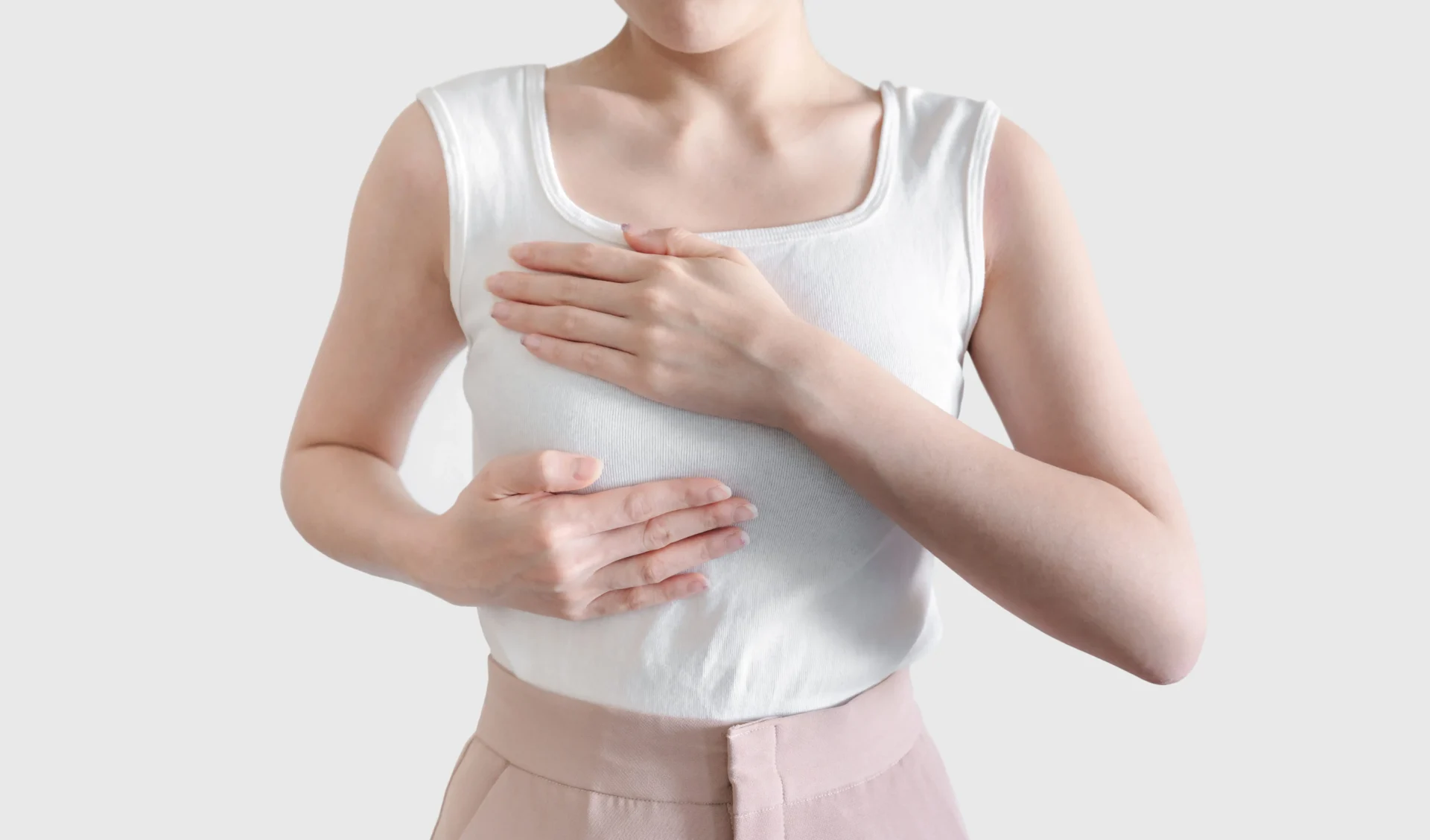
For years, the conversation around breast procedures was dominated by size.
Bigger or smaller. Round or anatomical. Dramatic or subtle.
Today, that conversation sounds very different.
Women are asking better questions. Not just about how they want to look, but how they want to feel. How long results last. How the implant behaves when they move. What recovery looks like. What safety standards are in place. Whether the result will age naturally with them.
Breast health is no longer separated from breast aesthetics. The two now exist in the same discussion.
And that shift has changed everything.
Modern breast surgery is less about transformation and more about personalization. It begins with anatomy, lifestyle, and long-term goals. An athletic patient in her twenties will have different priorities than a mother seeking post-pregnancy restoration. A woman considering revision surgery will approach decisions differently than someone exploring augmentation for the first time.
Technology has evolved to support that nuance.
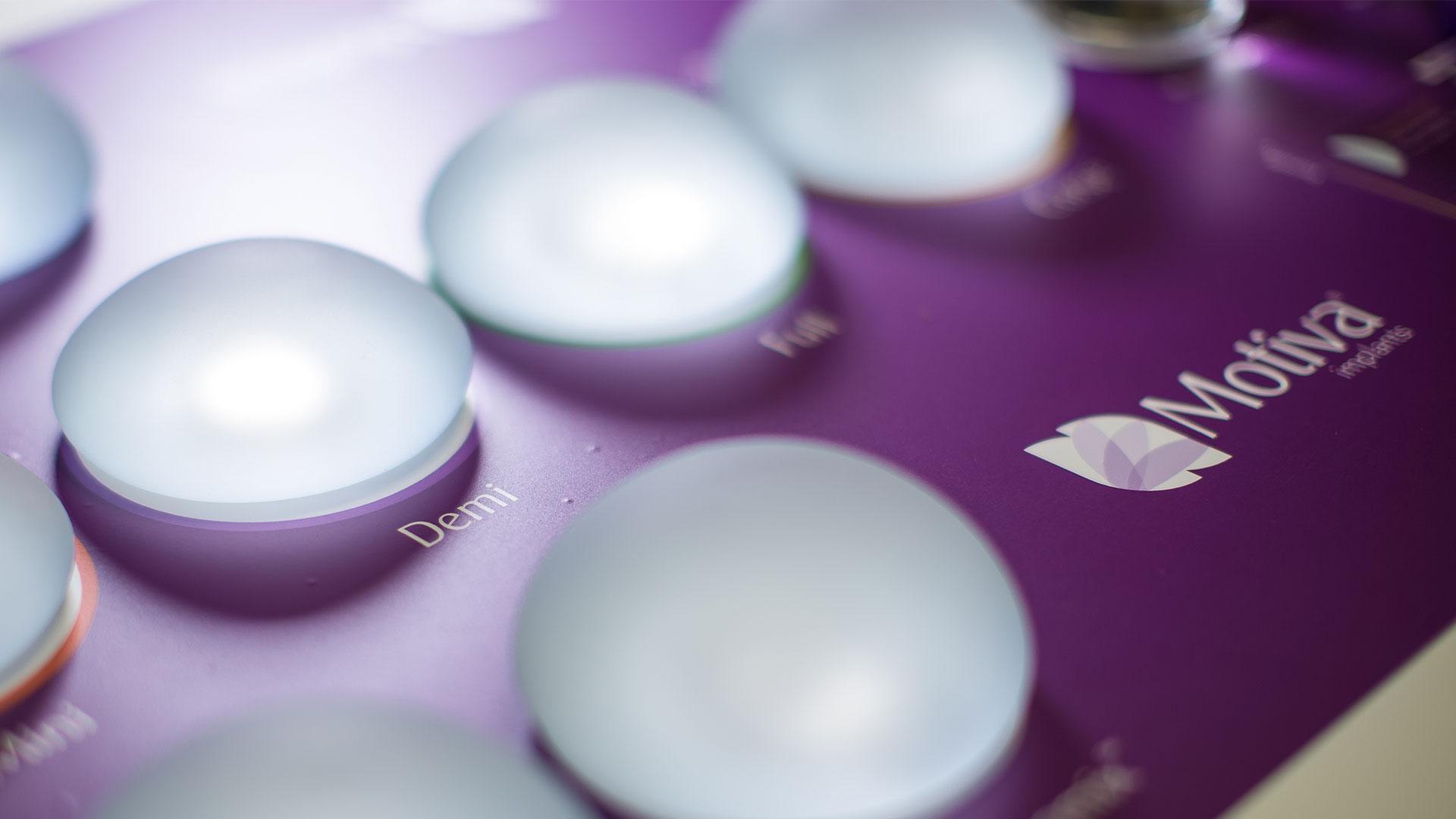
Brands like Motiva have contributed significantly to this new era by focusing on implant safety, biocompatibility, and natural movement rather than simply projection and volume. Their innovations were developed around a central question: how can an implant integrate more harmoniously with the body?
One of the most talked-about advancements is Ergonomix2, designed to adapt to position and movement. When a patient stands, the implant settles with a natural teardrop shape. When she lies down, it redistributes more evenly, mimicking the behavior of natural breast tissue. This dynamic response has redefined what “natural-looking” truly means.
But modern breast health is not just about appearance. It’s also about data, traceability, and long-term monitoring. Digital implant identification systems, improved shell technologies, and rigorous manufacturing standards reflect a broader industry effort toward transparency and patient reassurance.
Safety conversations today are open, detailed, and patient-led. Women want to understand rupture rates, capsular contracture risks, and long-term follow-up protocols. They want to know how decisions made today will affect them ten or fifteen years from now. And practitioners are increasingly equipped to provide those answers with evidence rather than general reassurance.
At the same time, surgical techniques have become more refined. Incisions are planned more strategically. Tissue handling is gentler. Recovery protocols are more structured. The objective is not simply to achieve a beautiful outcome, but to support healing, reduce inflammation, and protect long-term breast health.
Another important change is the emotional lens through which breast procedures are viewed. The stigma has softened. The narrative has matured. Choosing breast surgery is no longer framed as vanity, but as agency. Whether it is reconstructive, restorative, or aesthetic, the decision is personal and often deeply considered.
Some women want subtle enhancement that no one can identify. Others want restoration after breastfeeding or weight loss. Others seek symmetry or correction after previous procedures. Modern options allow for that spectrum without forcing a one-size-fits-all result.
What defines breast health today is not simply the implant itself. It is the ecosystem surrounding it: technology, surgical expertise, safety standards, follow-up care, and honest consultation.
It is also about realism.
No implant lasts forever. No surgery is entirely without risk. But modern advancements have significantly improved predictability and patient confidence. When technology is paired with experienced surgical judgment, outcomes tend to be stable, proportionate, and aligned with the patient’s lifestyle.
The direction of breast aesthetics is no longer about pushing boundaries. It is about respecting anatomy, prioritizing safety, and delivering results that feel intuitive rather than obvious.
In many ways, the evolution mirrors a broader shift in aesthetic medicine. Subtle over exaggerated. Personalized over standardized. Informed over impulsive.
Breast health today is not just modern. It is thoughtful.
And that may be the most important advancement of all.